Smartphones, once more of a fancy back in the '90s, have now become central to how we live. Social media, competitive free-to-play games, and a constant stream of information at our fingertips have drawn all of us deep into the virtual world — and this is the world we are shaping for our children too. It can start to feel as though the metaverse has become the universe.
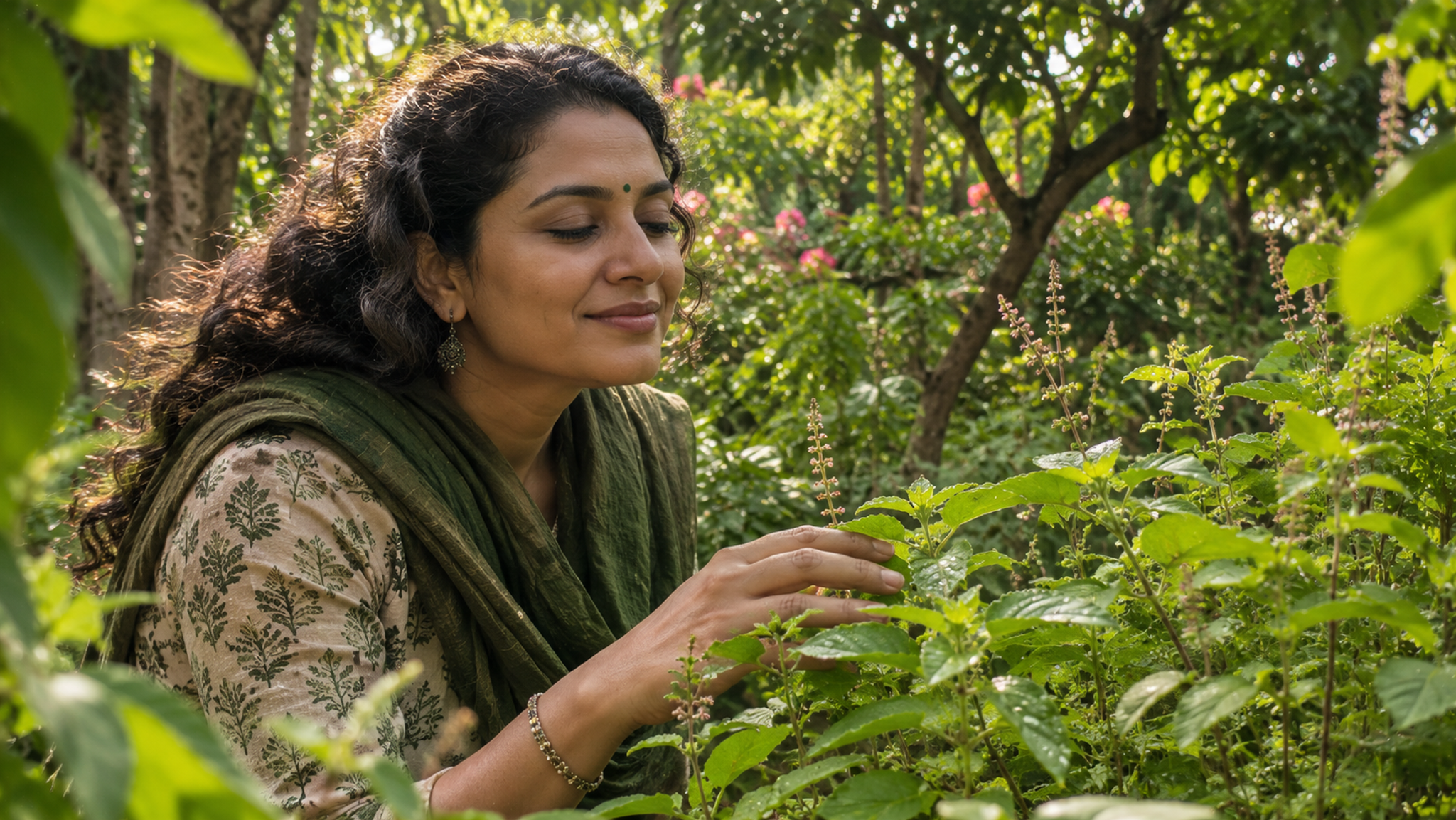
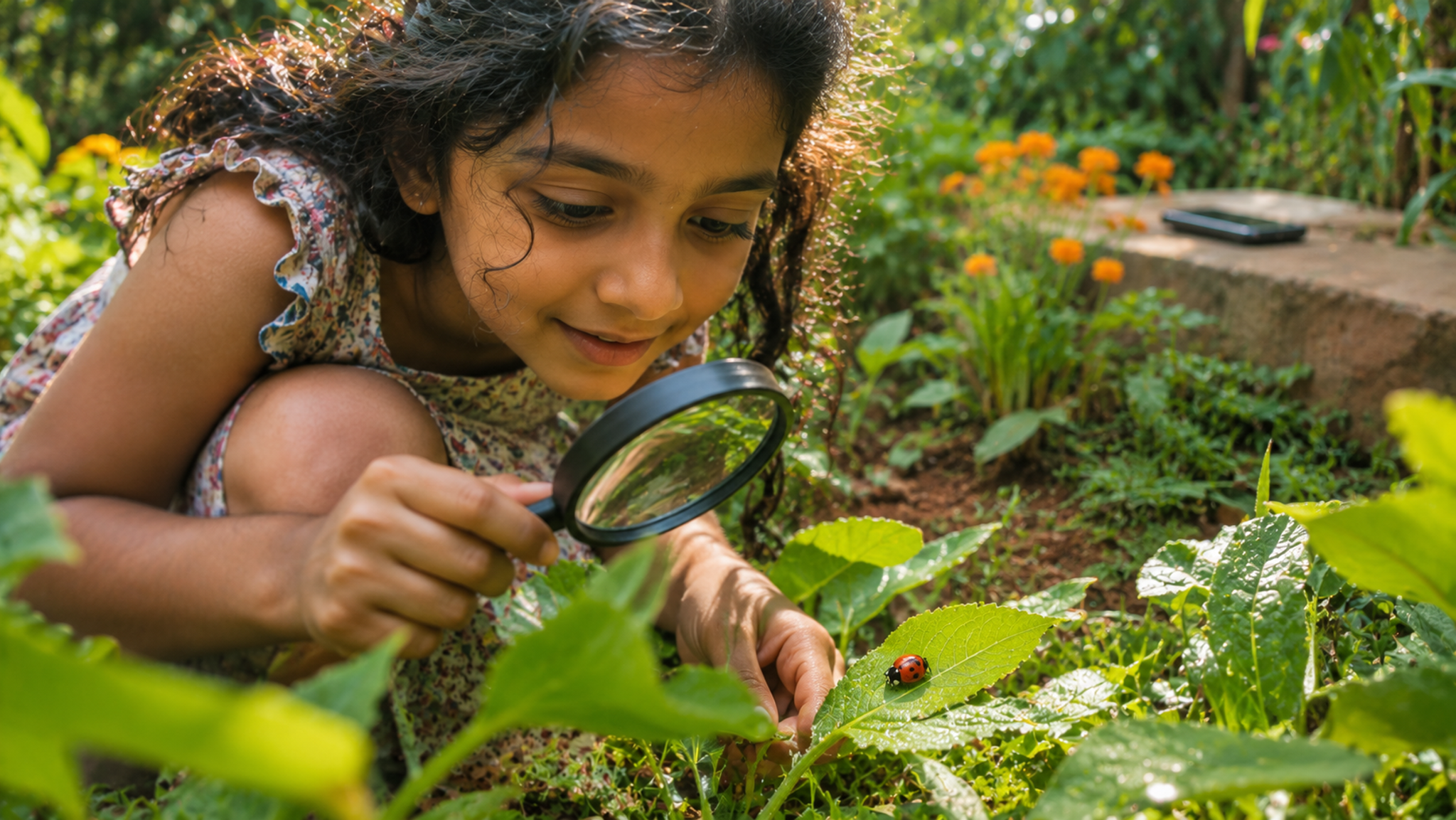
We scroll through endless short videos, play games that never quite end, and message friends who are sitting just a room away. Technology has a quiet way of pulling us in like this. What helps is a little distance from it — a digital detox. While we watch our children build virtual villages and farms on a small screen, it is worth asking: what if they experienced the real thing instead? What if we got their hands into the soil, and let them feel what it is to be in touch with nature — the breeze on their face while planting a tree, the patience of watching something they planted slowly grow?
Research points to dopamine as a key driver behind our attachment to screens, and a little dopamine detox can do younger minds real good. So let's step outside, keep our phones aside for a while, and let a child discover the brighter sunshine and the quieter rhythms of nature instead.
Why this matters more than ever
India has long been a land of agriculture. Even today, agriculture and related work remain the livelihood for a large share of India's workforce — the Periodic Labour Force Survey put it at around 45% nationally, and closer to 60% in rural India, as of 2023–24. But India is moving fast toward urbanisation, and many children of farmers no longer want to continue farming. Educating the younger generation about where food comes from isn't a nostalgic idea — it's becoming essential, given the risk of food shortages ahead.
The United Nations projects the world's population will approach 9.7 billion by 2050. As population grows, so will the demand for food, and we will need more people who understand how to grow it well. Teaching children these small skills of planting and tending — rather than a childhood spent only scrolling — is how we raise a generation equipped to manage the food requirements ahead. Exposing children to farming early, on land a family can call its own, does exactly that.
A farm that teaches more than it grows
Vanatvam, in partnership with specialist growers and agronomists, started this initiative to build a greener, more eco-friendly environment — not only for people, but for animals and other living things sharing the same habitat. Our mission is to revive farmlands by reviving Vedic forest science: building sustainable farms the natural way, without harmful chemicals. We see ourselves as custodians of this land, not just its developers, and we develop and maintain our farmlands holistically so your family can have a rich, hands-on experience of it — and so that same sense of custodianship is one children carry forward too.
This is also where children learn something screens rarely teach: that a farm is not just rows of fruit trees. If every tree exists only to produce fruit, something else has to feed the soil, fix nitrogen, and shelter the bees and birds that keep the whole place alive. That's biodiversity by design — mixed-species planting, done on purpose — and it gives kids, and their parents, a living lesson in how an ecosystem actually works and how nature is meant to be nurtured — one they won't find in any game.
What time in nature actually does for a child
Spend enough time watching children on a farm, and you'll notice it yourself: they slow down, they notice more, they're gentler with things. This isn't just a feeling parents have — it shows up in the research too.
In one widely cited study, children with attention difficulties concentrated better after a 20-minute walk through a park than after a walk through a city street, with their focus coming close to that of children without attention difficulties (Taylor & Kuo, 2009, Journal of Attention Disorders). A 2020 review of unstructured nature play in early childhood found consistent gains in children's imagination, creativity and cognitive development (Dankiw et al., 2020, PLoS ONE).
Nature seems to shape how children treat others, too. Studies from Hong Kong and Mexico have both found that children who feel more connected to nature show more prosocial behaviour — more sharing, more fairness, more care toward people, not only toward plants and animals (Sobko et al., 2018, PLoS One; Barrera-Hernández et al., 2020, Frontiers in Psychology). A walk through natural ecosystems also asks more of a child's senses at once — sight, sound, touch, smell — than a screen ever will.
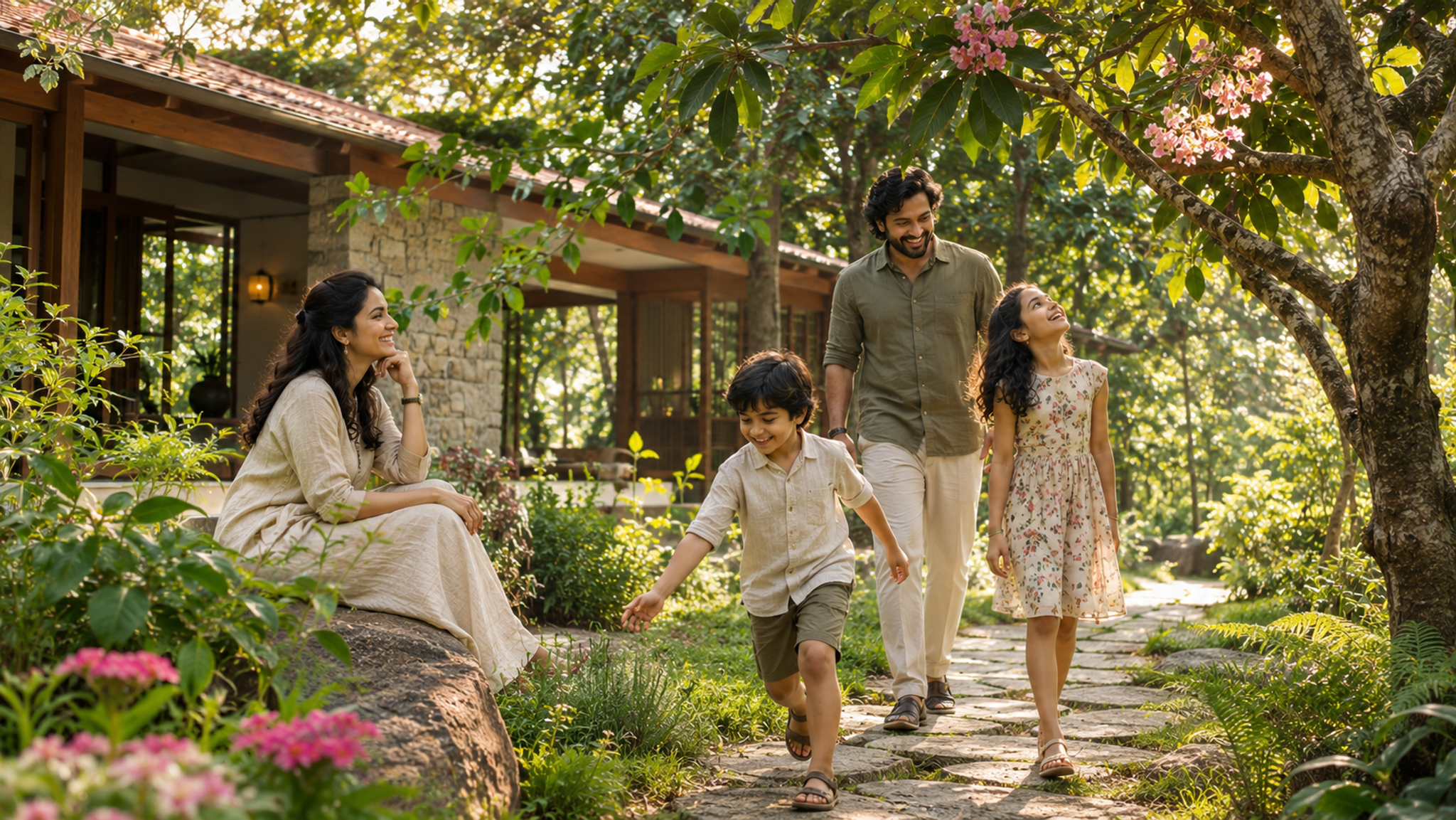
Observant, compassionate, more attuned to the world around them, and with a deeper respect for the land that feeds them: this is what a childhood spent outdoors quietly builds, generation after generation.
One philosophy, many landscapes
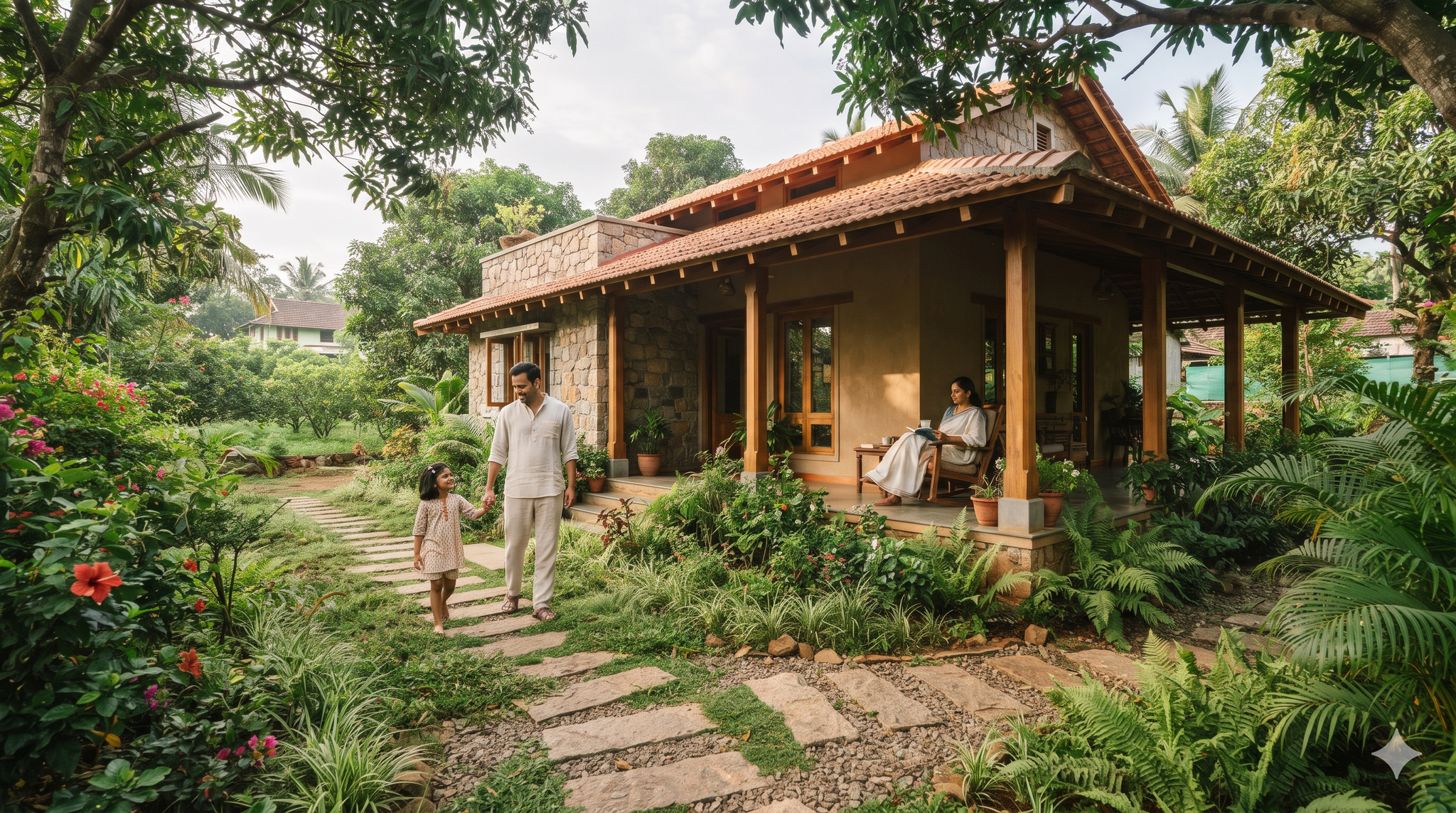
Many families are actively searching for farmlands near Bangalore for sale; Vanatvam's Brindavana, Madhuvana, Anantavana and Ishavana managed farmlands can be the perfect place to spend a weekend with your family and kids — and, for those who choose to build, a home that keeps teaching long after the weekend ends.
Families who love the Kabini region should consider joining the Anantavana community and building a farmhouse of their own. From your own farm, you're close to the boating and safari experiences the Kabini region is known for — and because it's your own home, you can return to it as often as you like, not just for a single visit. Anantavana falls within the Bandipur Eco-Sensitive Zone, so building farmhouses here follows a specific set of norms, and our team can walk you through exactly what applies before you begin.
Madhuvana sits near Bangalore on the banks of the Kaveri, with shared eco-friendly cottages for weekend stays, and land for families who want their own farmhouse close to the city.
For a riverside experience, Ishavana sits along the Kaveri near Shivanasamudhra, where the river becomes part of everyday life for the families who build here. The Kaveri has long nourished great civilisations, its waters sustaining fields, villages and trade, and the kingdoms along its banks flourished because of it. For children, the river is a classroom: how water moves through the land, which birds and fish call the banks home. Growing up beside the Kaveri teaches them to notice, respect and care for the water that sustains them.
And for a different kind of quiet, Brindavana offers an arid-zone landscape near Pavagada — a stark, open beauty that is its own kind of lesson for children used to green alone.
Each community has its own character, so a family can choose the setting that suits them best, and still pass on the same lesson.
Rejuvenate and refresh with family and friends in our shared eco-friendly cottages, built for the community's own families — ideal for a weekend getaway. These are the kind of weekends children remember, and the kind that keep families close as the years go by. We'd love to have you visit; just reach out, we are well placed to take care of your needs.
For more information, check our website: Vanatvam.com.
Want a quote? Email us at: info@vanatvam.com.
Follow us on socials: Facebook, Instagram, X (Twitter), LinkedIn, YouTube.
Frequently Asked Questions
Is Vanatvam projects a good weekend getaway for families with children?
Yes. our projects are designed for exactly this — open space to walk, plant and explore, shared cottages to stay in, and a working farm community where children can see where food actually comes from, away from a screen.
What is there for children to do on the farm?
Children can help plant a tree or a vegetable patch, walk the farm paths, spot birds and pollinators, and simply spend unstructured time outdoors — the kind of first-hand nature experience that's hard to recreate indoors.
Is there real evidence that nature time benefits children?
Yes. Research has linked time in nature to better concentration (Taylor & Kuo, 2009), stronger imagination and cognitive development (Dankiw et al., 2020), and more caring, prosocial behaviour toward others (Sobko et al., 2018; Barrera-Hernández et al., 2020). It's not just a nice idea — it shows up in the data.
Does Vanatvam have multiple farm communities?
Yes — Vanatvam's communities span the Kaveri and Kapila corridor. Madhuvana sits near Bangalore on the banks of the Kaveri; Anantavana sits near Kabini, where owning your own farmhouse puts you close to the region's boating and safari experiences, there for you as often as you'd like since it's your own home; Ishavana offers riverside life along the Kaveri near Shivanasamudhra; and Brindavana offers an arid-zone landscape near Pavagada. Each community has its own character, so a family can choose the setting that feels most like home.
Can I visit before buying?
Absolutely. Bring the family for a guided walkthrough of any of our communities, see the farm and the cottages firsthand, and get a feel for a weekend here before making your decision.