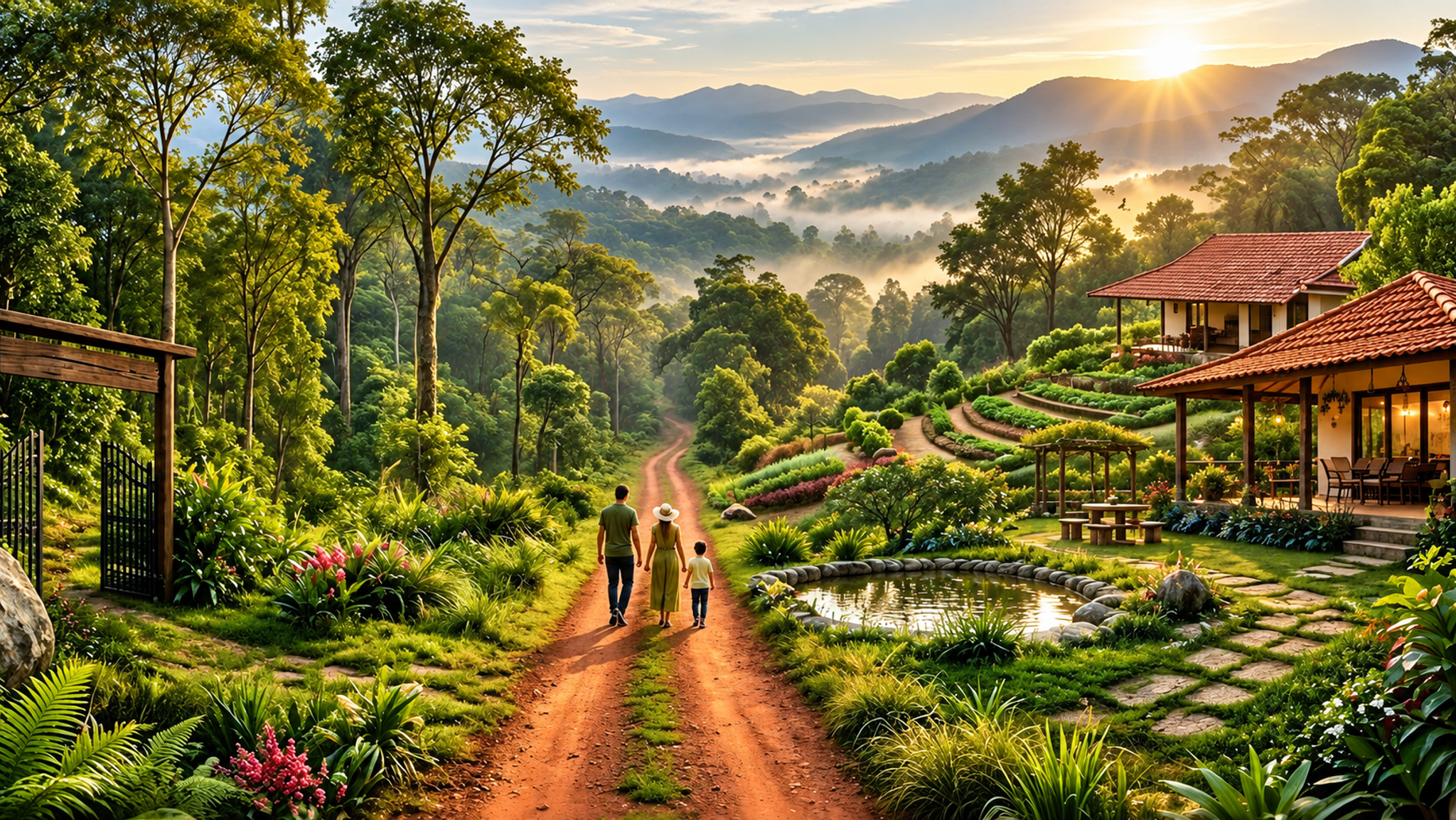
The Question That Started It All
The Covid years changed the way we looked at life. As cities struggled with pollution, shrinking green spaces and the pressures of urban living, the pandemic reminded us how deeply we need clean air, open spaces and a connection with nature.
For generations, humans lived close to the land, surrounded by trees, birds and open spaces. We shared a symbiotic relationship of coexistence with nature and the rest of creation. Rapid urbanization has gradually distanced us from this natural connection. Yet, whenever we walk through a forest or spend time in the countryside, we feel calmer, lighter and more at ease — as though we are returning to something familiar.
It brought us back to a simple question: Have we moved too far away from nature?
During COVID cycles, we began to wonder how to reset our lives. Today most of us are glued to TVs and mobiles. How do we create spaces where we can spend more quality time with family and friends — places where nature becomes part of everyday life, bringing together people who share this longing for a simpler, more meaningful way of living?
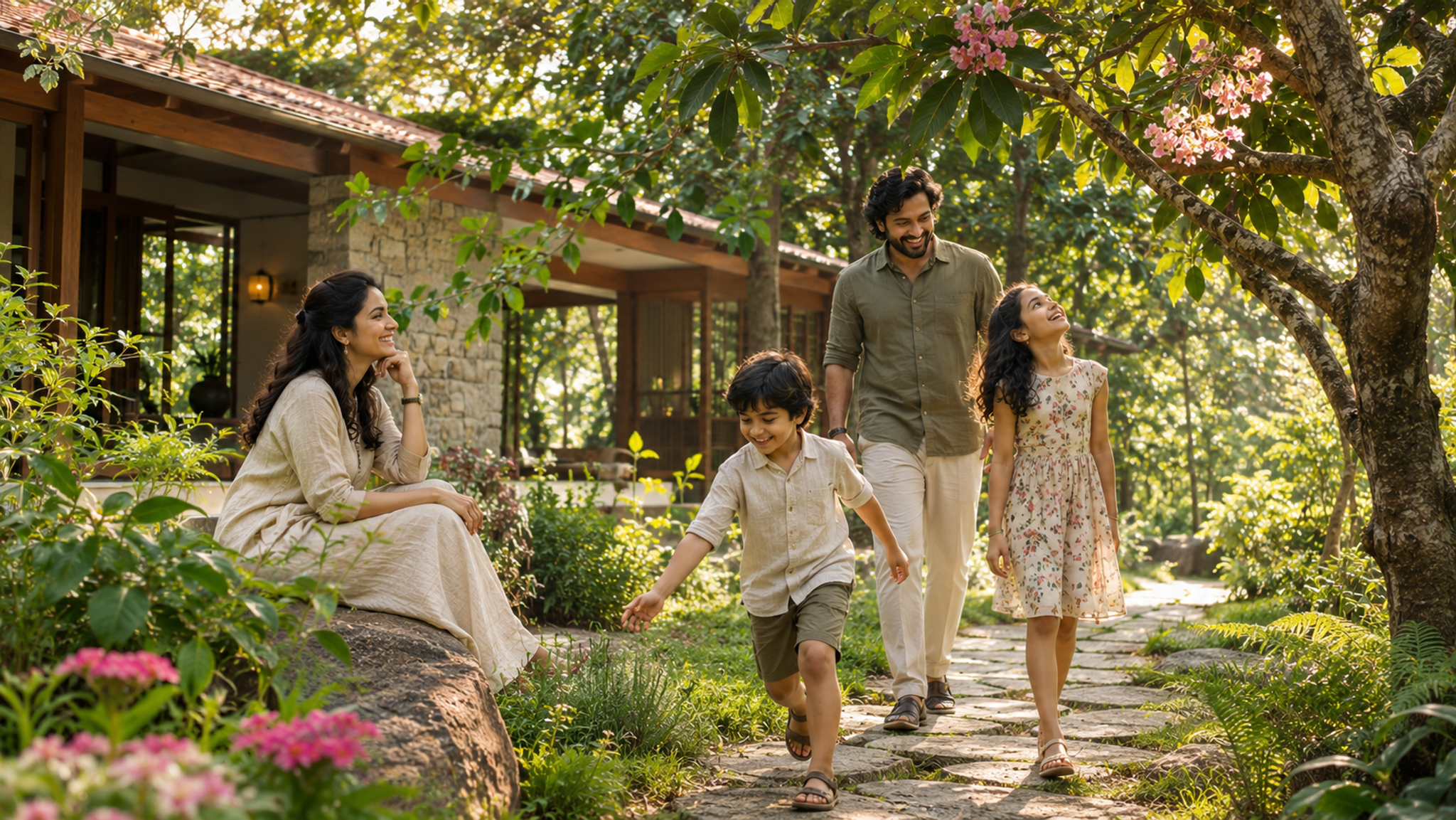
We also thought about the years ahead, when our children build lives of their own and the company of like-minded people becomes even more precious. A community rooted in nature could offer more than a place to spend time — it could offer a true sense of belonging.
These thoughts led us to establish Vanatvam in March 2022. Our intent was never simply to develop managed farmlands. It was to nurture living landscapes, enrich biodiversity, revive our traditional connections with nature, and create communities where people can breathe freely, reconnect with the natural world, and find a true sense of belonging.
Today, every tree we plant, every landscape we nurture, and every individual and family we thoughtfully welcome into the Vanatvam community brings us one step closer to that vision. Because at Vanatvam, growth is not measured merely in acres developed or plots created, but in the life we restore to the land, the connections we foster, and the legacy we leave for generations to come.
Living The Philosophy
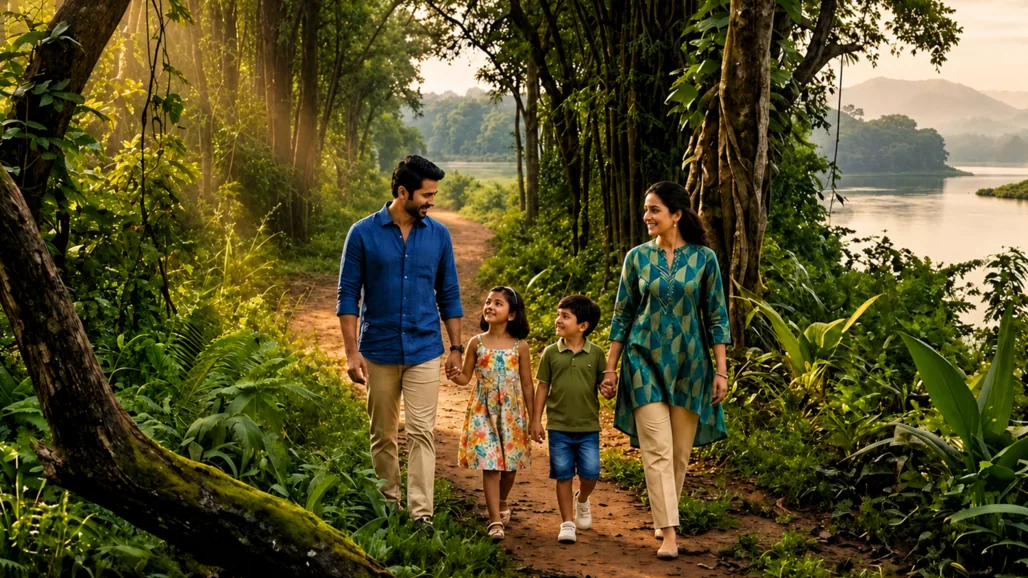
A nature-first approach to land, biodiversity and community. Living landscapes. A deeper sense of belonging. Vanatvam was established in March 2022 with the intent to nurture living landscapes, enrich biodiversity and help people reconnect with nature.
Belonging grows through shared experience. Owning land in any Vanatvam community means being part of a like-minded group of people, learning farming first hand alongside neighbors who share the same values. We use Six Core Principles while developing our projects.
The Six Core Principles:
Every decision on every piece of land we touch comes back to six core principles — ensuring that as the landscape matures, experiences take root and people become true stewards of the place.
01 / Strategic Locations
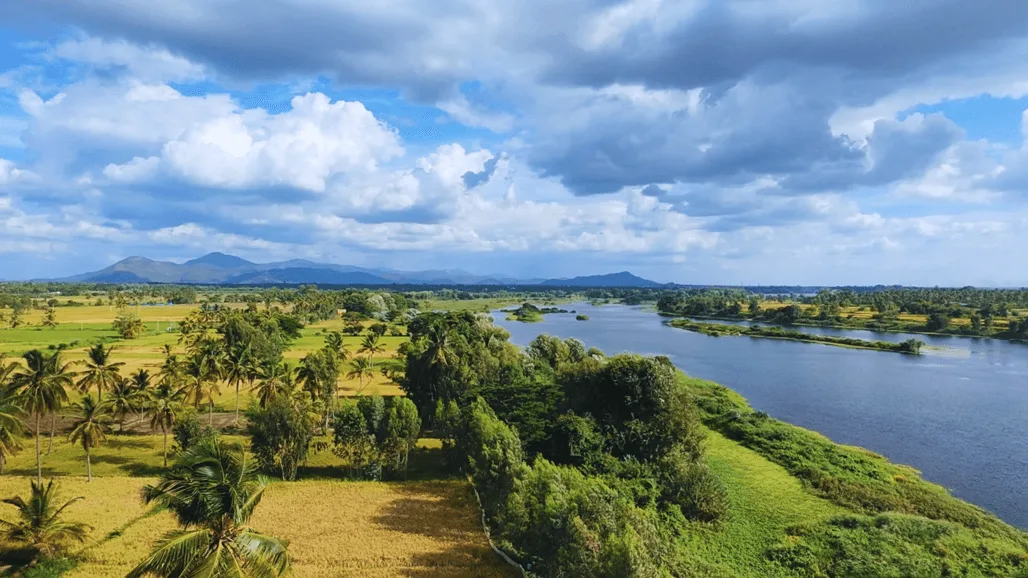
Many landscapes, because people experience nature differently. Not everyone connects with nature the same way — and we think that's exactly as it should be. Some people want the heritage and spiritual texture of sacred groves close to a riverside community; others want the stark, open beauty of an arid landscape; others simply want to be near forests where the wild still feels close.
This is why Vanatvam isn't repeating the same blueprint but evolving the ecosystem in each project based on the natural fabric of the location. We have strategic locations across distinct landscapes built on one philosophy: Madhuvana near Maddur, Anantavana near Kabini, Ishavana near Shivanasamudra beside the river Kaveri, and Brindavana near Pavagada each give a family a genuinely different way to experience the same underlying commitment to organic, biodiversity-rich, water-conscious land. The destination changes; the philosophy doesn't.
02 / Biodiversity By Design
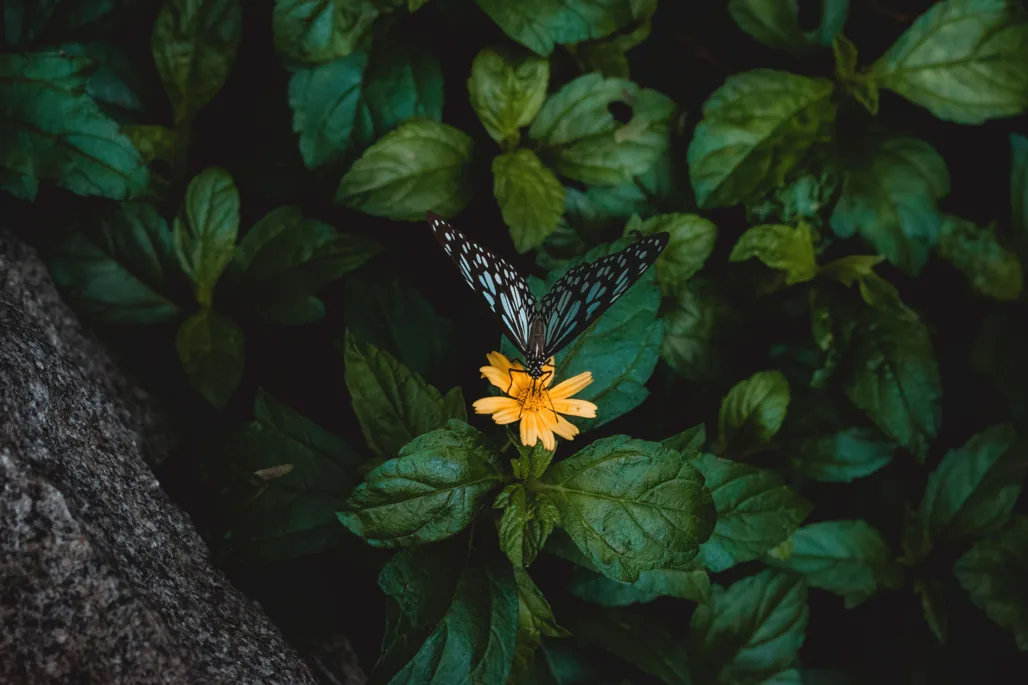
A mixed-species landscape can support many forms of life. A farm planted only with fruit-bearing trees is an incomplete ecosystem. Something else has to feed the soil, fix nitrogen, and shelter the pollinators that keep those very trees alive. This is Biodiversity By Design — the deliberate, mixed-species planting that makes a Vanatvam community a functioning ecosystem rather than a single-crop plantation.
It shows up in how we treat habitat, too: some birds nest only in tall canopy trees, others prefer low cover, and different animals shape their homes around very specific food needs. We have consulted with naturalists extensively while evolving the projects. Each project is carefully designed keeping in mind the local agro-climatic conditions so that as many life forms as possible can thrive on the land — because birdsong, pollination and soil health are all part of the same interconnected cycle.
This matters more than it might seem. Globally, BirdLife International's State of the World's Birds report estimates that around 40% of the world's roughly 11,000 bird species are now in decline. Closer to home, the State of India's Birds 2023 assessment found that 60% of the species it tracked have declined over the past three decades. We chose to act by creating habitats for the birds, bees and butterflies. At Vanatvam, birders and naturalists have documented more than 50 species across our communities over two-day stays — proof of biodiversity by design doing exactly what it's meant to.
03 / Natural And Organic
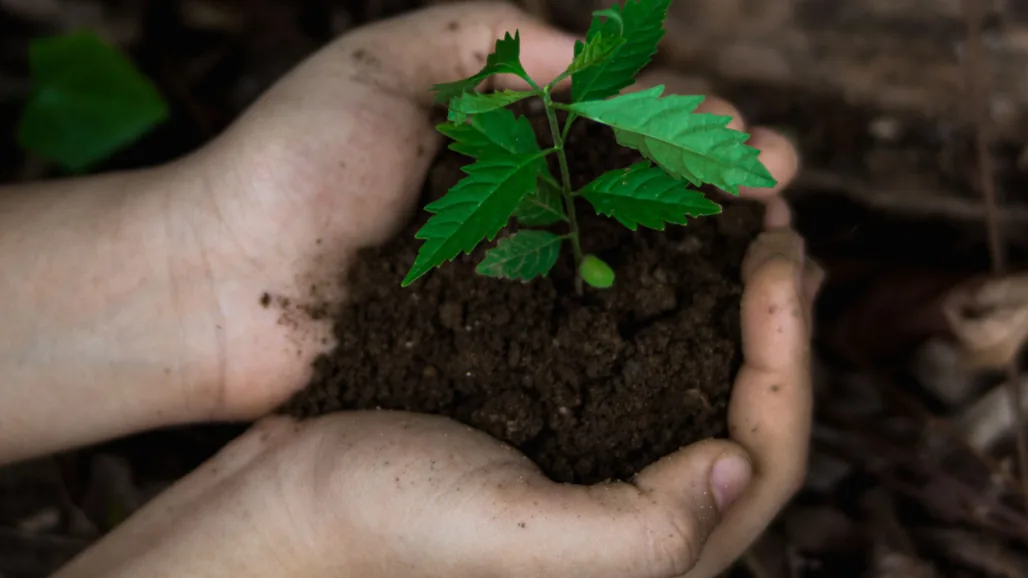
Working with the soil, season after season. Every Vanatvam community — whether it's organic farmland near Bangalore or one of our landscapes further across Karnataka — exists to be a model of what a holistic, natural farming community can look like, refusing the shortcuts most agriculture has taken. The push for higher yield has normalised inorganic fertilisers and pesticides that accelerate growth at the cost of everything downstream.
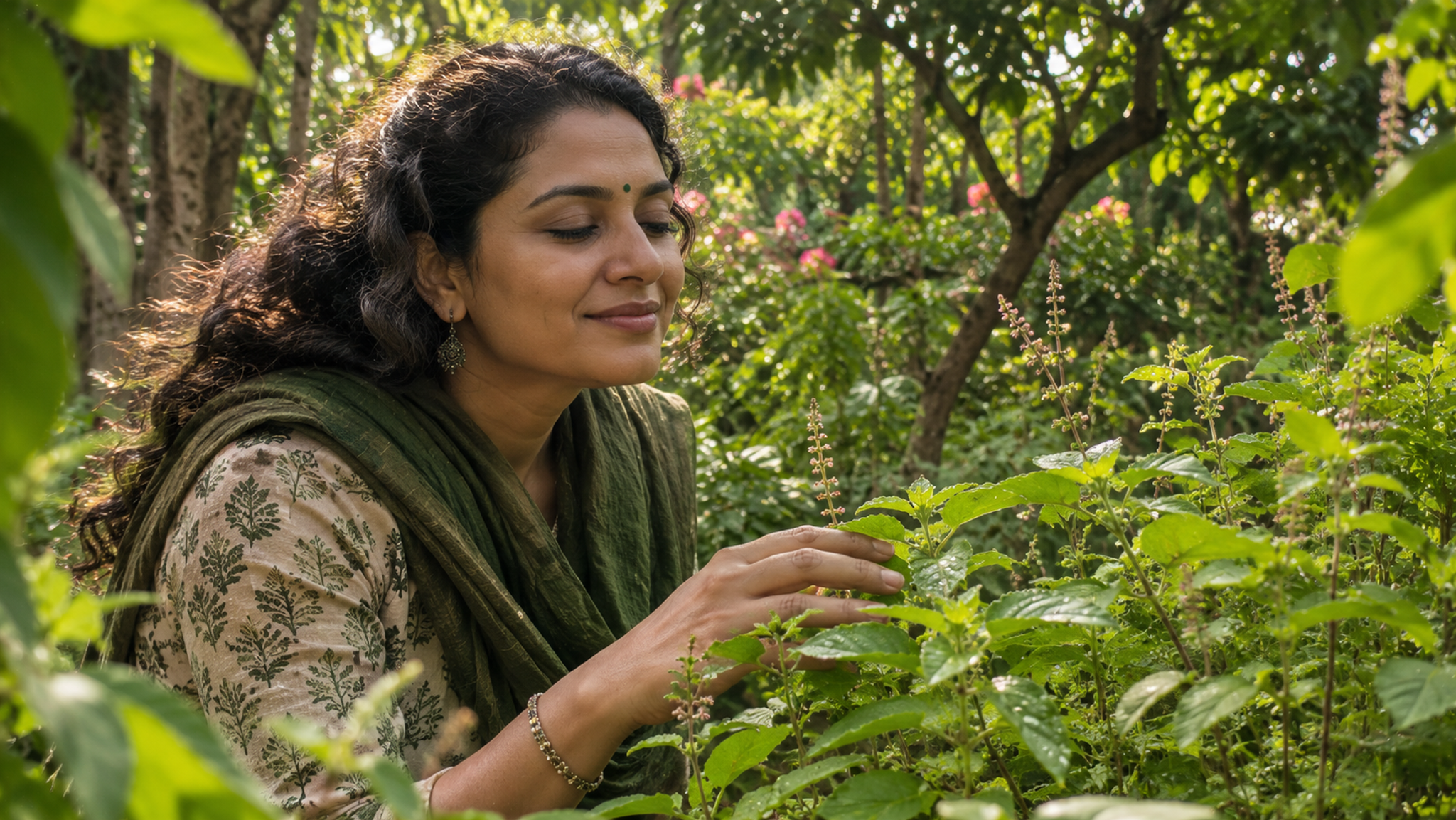
At Vanatvam, every plant across our communities is grown naturally and organically. Locally grown trees, shrubs and plants are maintained with minimal interference in their natural order, and multicultural, mixed-crop agriculture is practised to actively enrich soil quality rather than deplete it. We chose not to take the easier route of planting once and walking away; instead, we stay present on the land, season after season.
04 / Integration Of Sacred Groves
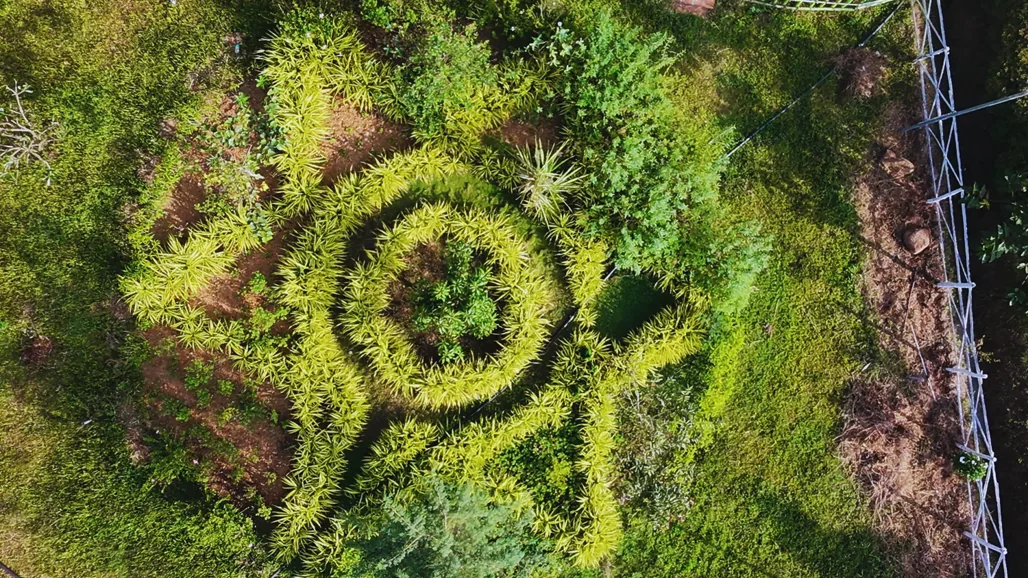
Traditional groves, ecological value. In the ancient Indian texts of Sasyashastra and Vanyashastra, conceptual vanas — among the earliest expressions of sacred groves in India — were treated as essential infrastructure, not ornament. Navagraha Vana, Rashi Vana, Panchavati Vana, Nakshatra Vana, Saraswathi Vana and Moolika Vana each have a specific composition of trees, documented in the Vanyashastra Samhita, and each is woven into Vanatvam's communities as part of our commitment to Vedic forest science.
These groves are built from traditional species — Kadamba, Bakula, Shreegandha, Ashwattha among them — whose widespread, mineral-rich root systems enrich soil quality, while their decaying leaf litter and deep roots naturally purify groundwater and maintain dissolved oxygen balance in water bodies. Seetha Ashoka, valued in Ayurveda, and the five trees described by Varahamihira in the sixth-century Brihatsamhita (Punnaga, Arishta, Ashoka, Shireesha and Priyangu) represent the Panchabhutas, creating harmony for both people and land. As per the ancient vedic texts, it is also believed that these 5 trees should be planted before building a house to create a positive living environment.
05 / Start With A Master Plan
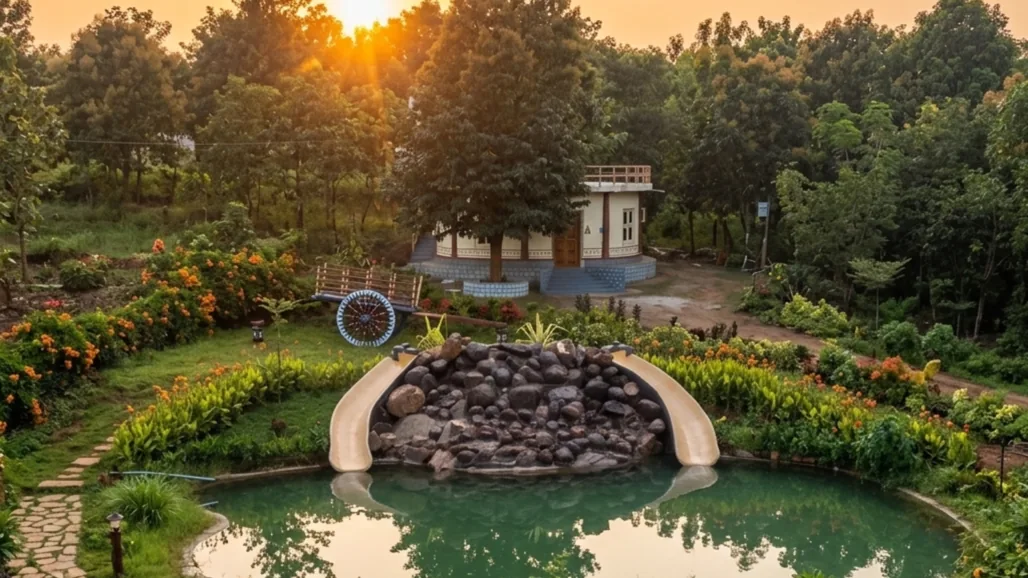
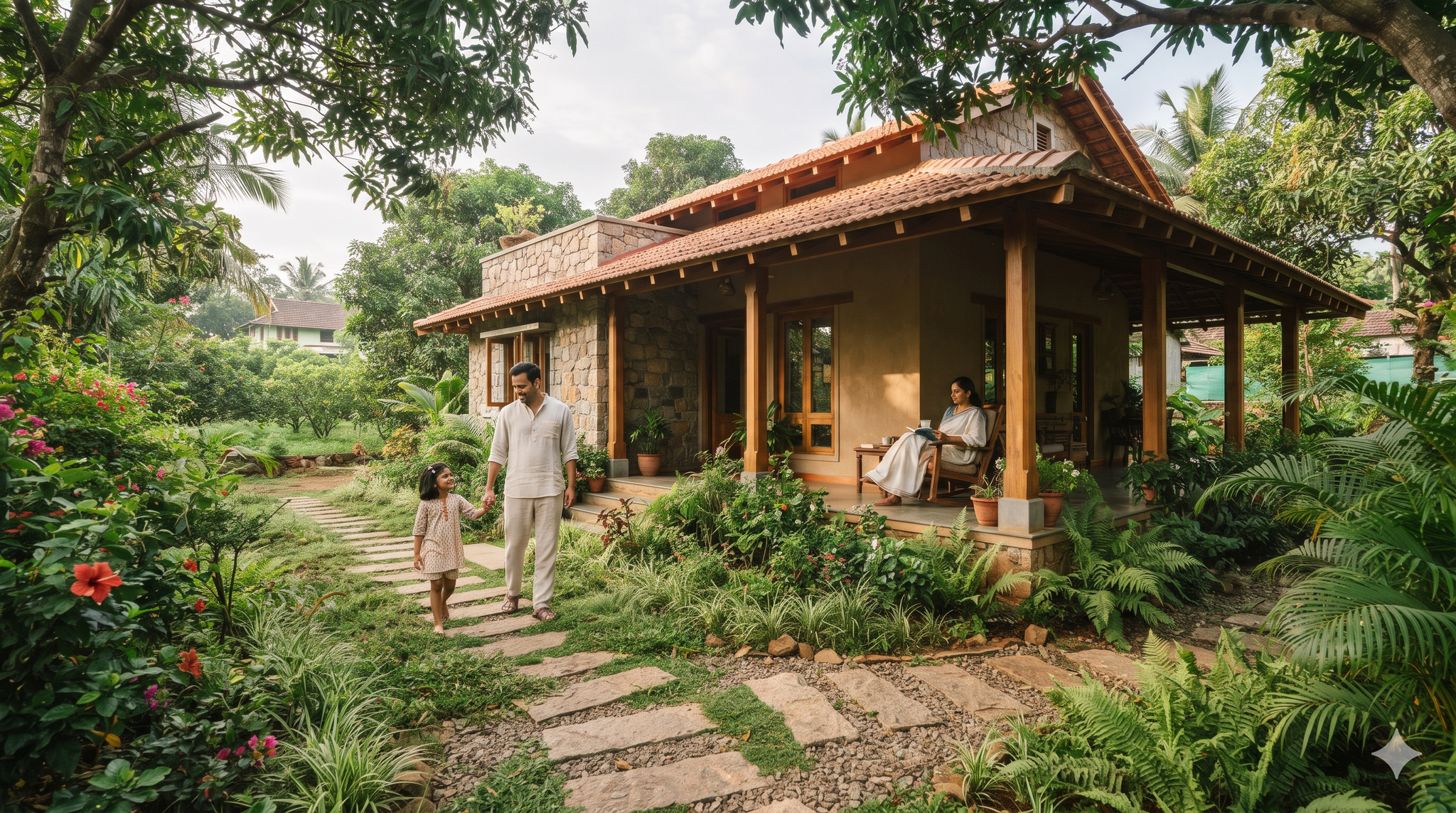
Shared spaces designed around the landscape. Every Vanatvam community begins long before the first tree goes into the ground — with a master plan, created by an architect whose values align with ours, laying out how the land itself will draw people closer to nature. The landscape isn't an afterthought fitted around buildings; the buildings are fitted into the landscape.
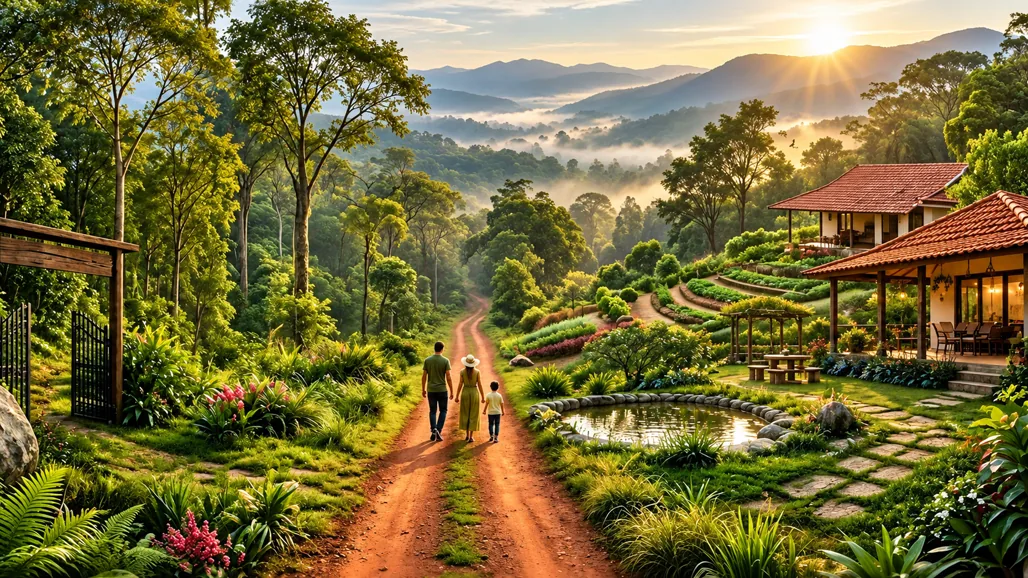
Within that plan sits a layer of shared community features that give each community its texture — cottages for a weekend stay, ponds that double as a water feature and a small ecosystem, gazebos tucked into a quiet corner, and tree houses that put children and adults eye-level with the canopy. Built and shared across a community, the cost is spread so every family gets access to a richer set of experiences.
06 / Aesthetically Designed Water Bodies
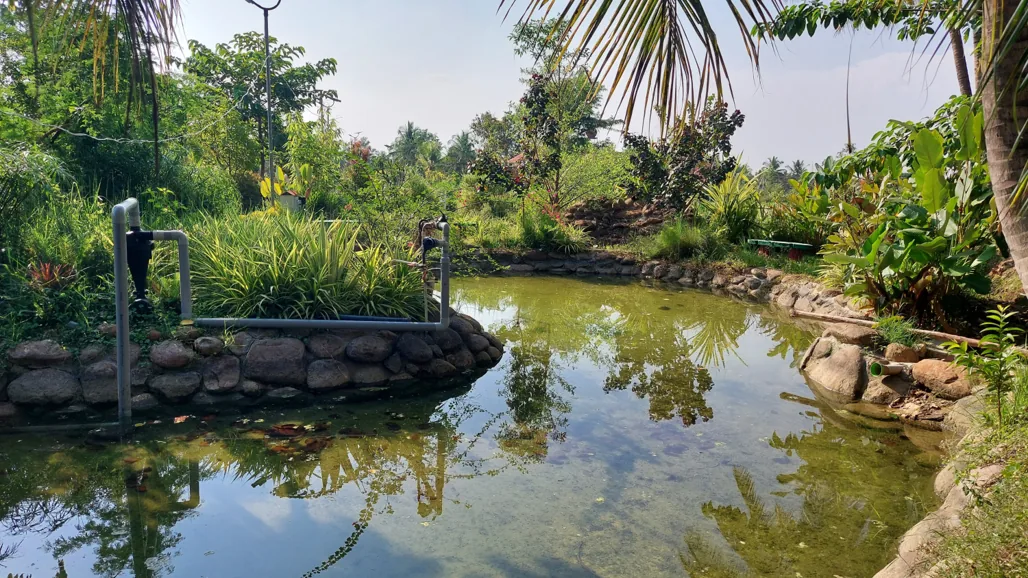
Water as part of the living landscape. Every Vanatvam community has well-designed natural water bodies, stormwater drains, and farm ponds designed in organic shapes to enhance the experience rather than being rectangular tanks.
Water bodies are an integral part of our projects: Madhuvana is built on the VC Channels of the Kaveri, Ishavana along the Kaveri, Anantavana near the backwaters of Kabini, while Brindavana's arid-zone landscape near Pavagada makes water stewardship a central part of the master plan.
Frequently Asked Questions
What really sets Vanatvam apart from other farmland projects?
Six things, working together: A deliberate range of landscapes so different people can find the version of nature that suits them, fully organic farming with no shortcuts, Biodiversity By Design rather than single-crop planting, sacred groves rooted in documented Vedic forest science, an architect-led master plan with shared community amenities, and water-centered land design.
What shared amenities does a Vanatvam community offer?
Cottages, ponds, gazebos and tree houses are among the shared features built into our communities — each laid out as part of an architect-designed master plan. Shared across a community, the cost is spread across everyone who uses them, giving every family access to a richer set of experiences than they could reasonably build alone.
What does "Biodiversity By Design" mean?
A mixed-species landscape can support many forms of life. A farm planted only with fruit-bearing trees is an incomplete ecosystem. Something else has to feed the soil, fix nitrogen, and shelter the pollinators that keep those very trees alive. This is Biodiversity By Design — the deliberate, mixed-species planting that makes a Vanatvam community a functioning ecosystem rather than a single-crop plantation.
How many bird species have been documented at Vanatvam's communities?
Birders and naturalists have documented more than 50 species across our communities over two-day stays, a number that keeps growing as the plantations mature.
What are the conceptual Vanas Vanatvam plants?
Navagraha Vana, Rashi Vana, Panchavati Vana, Nakshatra Vana, Saraswathi Vana and Moolika Vana — each with a specific, traditionally documented composition of trees from the Vanyashastra Samhita.
Does every Vanatvam community offer the same experience?
No — and that's deliberate. Madhuvana, Anantavana, Ishavana and Brindavana each offer a distinct landscape and relationship with water and land, built on the same core philosophy.